

Is It Anxiety or ADHD? What Many Women Are Never Told

A lot of the women in New York we work with come in talking about anxiety. Racing thoughts, trouble sleeping, that constant feeling of being behind. But the more we dig in, the more we notice a pattern: for some of them, the anxiety is really a symptom of something underneath that never got named. ADHD in women often doesn't look like what people expect, so it gets missed for years, sometimes decades.
That's a piece we can support in therapy, but we wanted someone who could speak to it from the psychiatric side too. Dr. Gundu Reddy is a Medical Director and board-certified forensic psychiatrist at GABA Telepsychiatry who specializes in exactly this overlap. Below, she breaks down what ADHD and anxiety actually look like in women, and what to do if any of it sounds familiar.
Has it ever happened to you? A version of you exists only in your head: a version who has it together, responds to messages on time, and doesn't forget what she was walking to the kitchen for. Also, she doesn't lie awake at 2 am replaying a conversation from three weeks ago (e.g., wondering if she came across wrong, offended someone, said too much or too little, or said the wrong thing at the wrong time).
You have been chasing that version for years. The exhausting, heartbreaking part is that from the outside, you sometimes look like her; you smile at the right moments, show up, hold things together in ways that impress people around you. But deep inside, you sometimes feel like an imposter, which makes you feel quite guilty.
If you recognize any of this, don’t feel alone. It is important to note that the gap between who you appear to be and how you actually feel is not a personality flaw or a weakness. Actually, what you are experiencing could come from the combination of two deeply intertwined issues that most people do not usually think of as connected: ADHD and anxiety. Especially in women, they often appear together, interact with each other, and go unnoticed for a very long time.
These conditions can feel like having a mind that operates differently from others, being given the same subject as everyone else, and being expected to keep up anyway. Getting confused? Let's understand what ADHD and anxiety look like in women, including some ways to help.
What Does ADHD Actually Feel Like for Women?
ADHD (Attention-Deficit/Hyperactivity Disorder) in women does not always look like chaos; sometimes it also looks like:
Being the most organized person in the room because you built 17 systems just to function at the same level everyone else seems to manage effortlessly.
Being called emotional, sensitive, dramatic. In reality, your nervous system feels everything at ten times the volume, and no one has ever shown you how to turn it down.
Being incredibly gifted in certain moments and then completely falling apart in others, with no warning and no clear reason, which is terrifying in a way that is almost impossible to explain to someone who has not lived it.
Sometimes, most painfully, it looks like being the woman who is always almost there. Almost on top of things. Almost confident. Almost okay.
That word, almost, has probably followed you for a long time.
Where Does Anxiety Come In?
Anxiety does not come to you out of the blue if you have ADHD. Indeed, it is a very logical response to what your life has been like. Let's say that you have forgotten something significant before. As a result, your brain often becomes on alert, waiting for the next time you will probably forget again. On the other hand, if you have been consistently late, embarrassed, or surprised, your nervous system may start living in a state of high vigilance. Its main goal is to keep you safe. However, as a side effect, you might never be comfortable enough to relax and enjoy life.
That is why anxiety, as the most prevalent syndrome, mainly accompanies ADHD. Not because they represent the same concept, but rather because ADHD provides the exact conditions that anxiety needs to thrive. Lack of clarity and consistent behavior, rather than a lifestyle, is what makes ADHD the exact source of anxiety. Nobody connected those dots for you. They just told you to calm down.
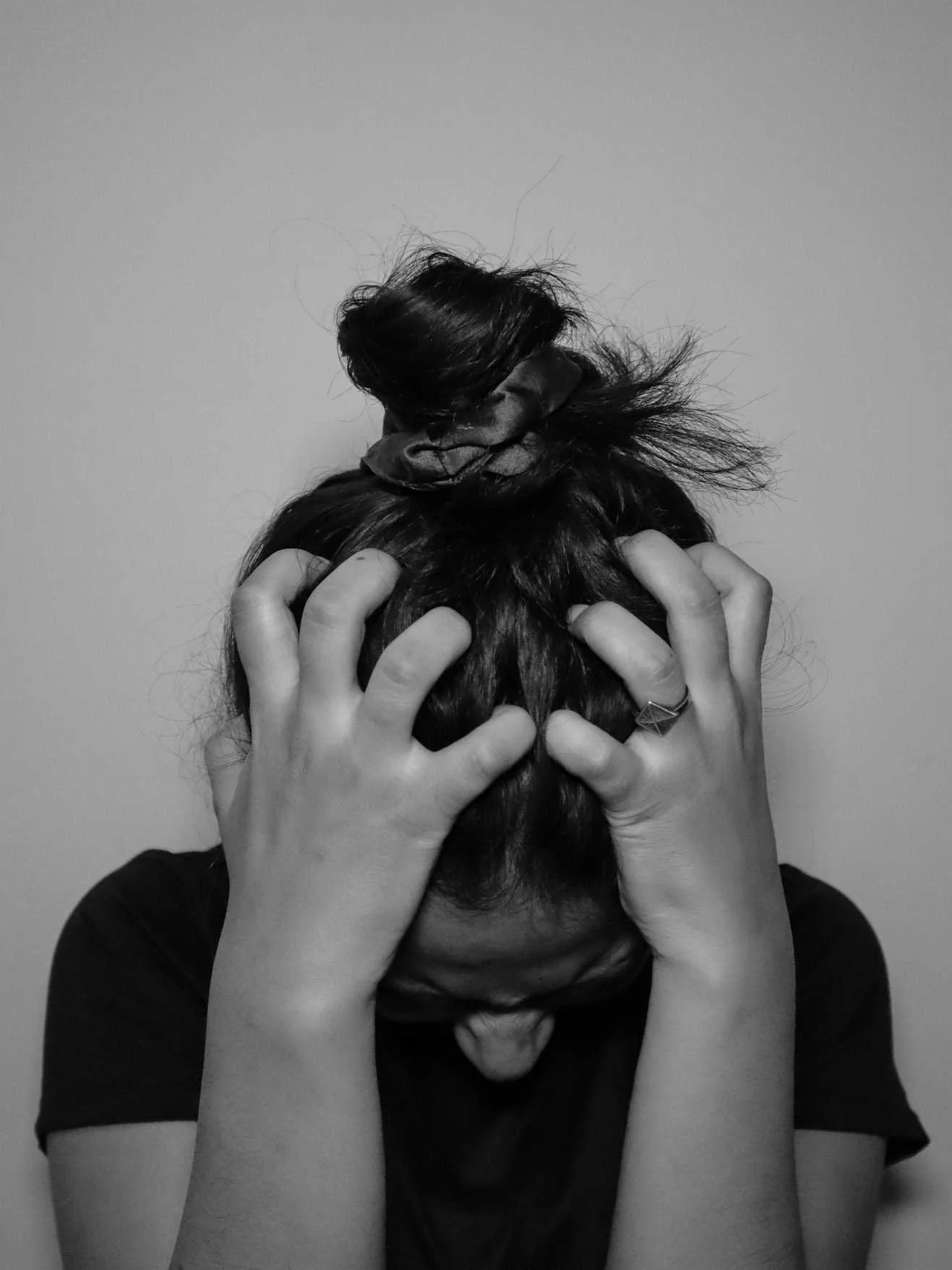
The Mask Is Heavy, and You Have Been Wearing It for Years
Many women, usually with or without ADHD, have a certain tolerance for struggle, and that tolerance is much more delicate for them than for men. Consider:
A disruptive boy gets guided for review. A distracted girl gets told to pay attention.
A boy who cannot sit still gets noticed. A girl who cannot focus gets labeled a daydreamer, someone who is not applying herself, someone with so much potential if only she would try harder.
So she tries harder. She tries so hard that, by the time she is an adult, masking is no longer even a conscious decision. It is simply survival. It is the part of her that learned, very young, that her natural way of being was somehow wrong, and built an entire alternate self to present to the world instead.
It is a hidden cost of a mask that most people never see. For example, even a relaxed dinner with friends or a short work meeting can leave you completely drained afterward. The way you start analyzing everything afterward like verifying, correcting, and worrying about whether anyone has noticed your faults.
This is not anxiety about nothing. This is the weight of many years of performing a version of yourself you never were.
What Did the Research Find?
Studies show that women with ADHD are significantly higher in anxiety, depression, and emotional dysregulation than men with ADHD. They usually go through years of depression or anxiety treatment before their ADHD is even taken into account. Doctors often suggest that they sleep better, stress less, and focus on a healthy lifestyle instead of referring them for ADHD testing. Although this advice is useful, it still leaves the problem unresolved for a long time.
This happens repeatedly and has been the case for several decades. The study published in the Journal of Clinical Psychiatry demonstrated that girls with ADHD are less likely to be referred, diagnosed, or treated than boys. Why? Because they display their symptoms differently. Girls prefer to keep it to themselves. They tend to show their emotions inside. They worry, and they cover. Besides, women reaching their twenties, thirties, or even forties have spent their entire lives thinking that they were not normal as a person, not their brain but 'her'.
It is a huge thing to deal with, and its heaviness is felt every single day. Certain women who were diagnosed with ADHD claim that ADHD testing was the turning point for them. They stopped blaming themselves. They began to understand themselves better. One of them stated: "I allowed myself the permission to fail. I am changing the little one who still lives inside me."
The Contradiction Nobody Prepares You For
Here is the strange, almost vicious turn of living with ADHD and anxiety as a woman. The anxiety pushes you to ‘overperform’, to check everything twice, to prepare obsessively so nothing goes wrong. Nevertheless, ADHD makes consistent follow-through genuinely difficult. So you get caught in a loop: you try harder and still fall short, then try even harder to compensate, then burn out completely and fall further behind than before.
In the center of that loop, you are also processing the emotional burden of relationships: the guilt of not fully being there for loved ones, and the embarrassment of needing extra time, more reminders, and more patience than you think you need.
Additionally, your hormones are also an overlooked part of this story. Estrogen regulates fluctuating dopamine levels in the brain, the neurotransmitter involved in ADHD. If estrogen goes down (e.g., a week before periods, after childbirth, and during perimenopause), ADHD symptoms often worsen. Typically, emotions become more intense, and anxiety increases. In this situation, a woman with undiagnosed ADHD often ends up with extreme pressure and confusion due to an unknown source. Thus, please do not disregard it:
Sudden alertness, mood, and anxiety changes associated with your menstrual cycle
Stress linked to having given birth may not be the only sign of postpartum depression
ADHD (as well as anxiety) could be the missing piece in that case.
ADHD vs. Anxiety in Women
This is important to understand because many women with ADHD often receive treatment for anxiety only. Well, ADHD and anxiety can be so similar that it is almost impossible to differentiate between them. Both can cause:
Having difficulty concentrating or finishing tasks
Causing worry about specific things (i.e., health, relationships, the future)
Restlessness and an inability to just sit
Mild forgetfulness and mental fog
Feeling overwhelmed by small things
Disturbed sleep
Emotional outbursts
However, the causes of these emotions are different in every scenario. Here is a simple way to understand the difference: Anxiety tends to cause worry about specific things (i.e., health, relationships, the future). ADHD causes trouble with focus even when there is nothing to worry about. Women with ADHD often feel anxious because ADHD makes daily life so unpredictable.
What Years Without a Diagnosis Actually Do to a Woman
When no one tells you that your brain functions uniquely, you draw your own discourses that explain the difficulty of living with an ADHD brain. Most of the time, these narratives repeat themselves in one form or the other. For example:
Take a perspective like “I am either not clever enough, not patient enough, or else the trial lacks your hard work.”
A consistent period of bad self-esteem, low self-confidence, and an impression of being unfixable.
Many use unhealthy coping strategies (e.g., eating comfort foods, isolating themselves to escape from embarrassment, over-exerting themselves to compensate for a lack of perfection, drinking alcohol, etc) to alleviate the pain, which did not help but exacerbated the current situation.
The fact is that you had anxiety as a consequence of your body being the one expected to function the way the world demanded it.
How to Cope With ADHD and Anxiety
If any part of the above-mentioned things feels familiar to you, it is best to connect with a psychiatrist or other mental health professional who understands how ADHD and anxiety present specifically in women can be genuinely helpful. They can do thorough ADHD testing that goes beyond simple checklists. Sites like GABA Telepsychiatry offer personalized ADHD computerized tests for everyone, including children and adults.
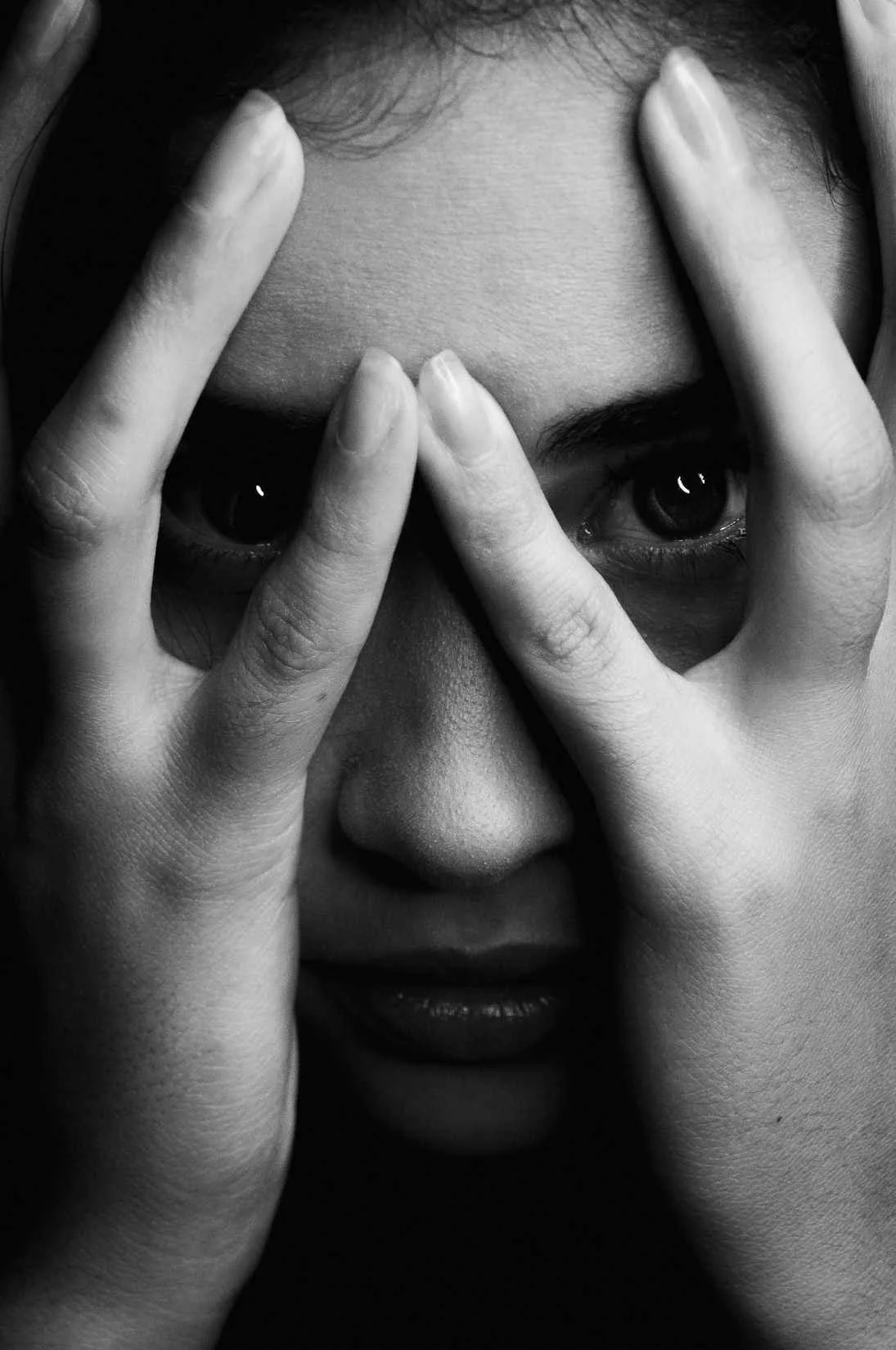
Whether done online or in-person, ADHD testing is always about listening to your history. It examines what you compensate for, how you masked, and the years you were told you were fine when you were not. It looks at the whole of you, not just the surface symptoms.
Common strategies for helping to manage both ADHD and anxiety in women include:
Careful assessment: Symptom intensity, emotional regulation, childhood history (whether the ADHD was already present before anxiety developed), other comorbid medical conditions, physical health review (e.g., thyroid, nutritional deficiency), medication history, and other.
Therapy: A central and often underweighted piece of treatment, explored in more detail below.
Medication, if required: Effective medications (e.g., SSRIs and stimulants) may be prescribed to address comorbid ADHD and anxiety at the same time. Note that medication takes time to work. Managing comorbid ADHD and anxiety in women necessitates a cautious drug review, tolerance, dose adjustments, and close tracking for an extended time.
Lifestyle changes and stress management: These activities help improve treatment effectiveness and lay the foundation for good mental health care.
Practical strategies: Simple, realistic tools that are in harmony with your brain instead of going against it
Therapy deserves a closer look here, because it is doing more work than a single line can capture. Medication can address the neurochemical piece of ADHD and anxiety, but it does not undo the years of masking, self-blame, and exhaustion described earlier in this piece. That is the work of psychotherapy. A therapist who understands how ADHD and anxiety show up in women can help a client process the guilt of falling short, rebuild self-trust after years of feeling like she was never quite enough, and separate who she actually is from the alternate self she built to get by. Just as important, this kind of therapy teaches practical, brain-aligned strategies rather than generic productivity advice, since tools that work against an ADHD brain tend to fail no matter how much willpower is applied. Practices such as Psychotherapy for Young Women focus specifically on this combination in Gen Z and Millennial women, pairing emotional regulation and self-compassion work with the kind of practical, individualized strategies that make consistent follow-through possible.
The aim of treatment is not perfection. The idea is of a life being relatively free of constant self-struggles.
Before You Go
You have spent a long time wondering what is wrong with you. Quietly, persistently, in the background of everything else you were doing. It became so familiar that you stopped noticing you were asking it.
But the question was always the wrong one. Nothing is wrong with you. Something has been unrecognized. Something has been carrying on without the right name, the right support, the right understanding. That is not the same thing at all.
The version of you that is disassembled, anxious, and exhausted is not the most real version of you. Actually, she is the version that has been surviving without the right tools for her brain. There is another version. She is still you. She has always been you. She just needs the right support to finally come through. Keep in mind that you deserve to meet her.
If any of this sounds like you, you don't have to sort it out on your own. Medication and psychiatric care can be a really helpful part of the picture, but on their own they often leave the deeper patterns untouched, like the constant doubt, the masking, and that feeling of always being behind. Most women do best with a combination of both, and therapy is a great place to start. If you're ready to talk it through, take a look at our Therapy for Anxiety page and reach out below for a free, zero pressure phone consultation. We'd love to hear from you!
About Dr. Gundu Reddy
Dr. Reddy is a Medical Director and board-certified forensic psychiatrist at GABA Telepsychiatry, where she works with women on ADHD evaluation, testing, and medication management, alongside anxiety and other conditions that often show up alongside it. She sees clients via telehealth. You can learn more about her practice at Gaba Psychiatrist.
