

Why We Avoid the Things That Are Good for Us
A Therapist’s Take on Procrastination, Anxiety, and Self-Trust
If you have ever found yourself avoiding something that you know would genuinely help you, whether that is a workout, scheduling a long overdue doctor’s appointment, or finally starting a project you actually care about, I want you to know you are not alone. More importantly, I want you to know that you are not lazy.
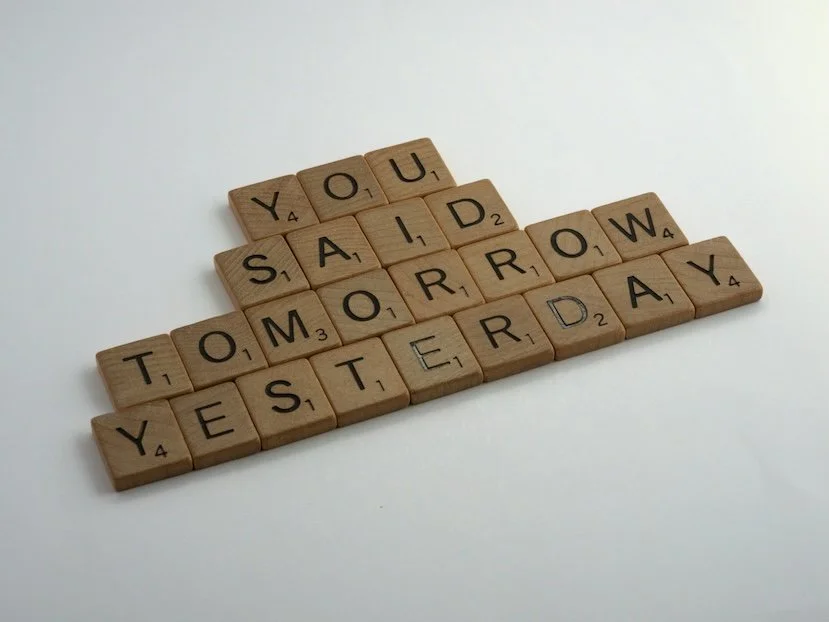
I was recently interviewed by Self Magazine about procrastination and avoidance, specifically looking at why our brains resist doing things we logically want to do. While the article focused on practical strategies, there is a much deeper emotional story beneath those tips that I see every day in my practice that I wanted to share with you. Procrastination is rarely a time management problem; it is an emotional one.
Why Procrastination is Not About Laziness
Many of the women I work with in New York are incredibly intelligent, driven, and capable. On the outside, they are functioning at a high level, but on the inside, they are often stuck in cycles of avoidance and self doubt that feel confusing and definitely frustrating.
When we put off healthy habits like movement or self care, it is usually because the task has become emotionally loaded. It is no longer just about going for a walk; it becomes a way to prove you can be consistent or a test to ensure you do not fail again, or that you are worthy. Perfectionism kicks in and tells you that if you cannot do it the right way, you shouldn't start at all. Does it sound familiar?
Your brain might even exaggerate the discomfort, treating a simple task like a threat to your safety. So, when a task carries that much weight, avoidance becomes a form of short term relief for your nervous system. It is a survival mechanism, and not a personal failure.
Here’s a breakdown of why we put things off, especially healthy habits like exercise, movement, or self-care:
The task becomes emotionally loaded.
It’s no longer “go for a walk.” It becomes “prove you can be consistent,” or “don’t fail again.”Perfectionism kicks in.
If you can’t do it the “right” way, why start at all?Anxiety exaggerates the discomfort.
Your brain tells you, “This is going to be awful,” even when it isn’t.Depression lowers energy and motivation.
It’s not resistance, it’s depletion.ADHD makes initiation genuinely harder.
Starting is often the hardest part, not follow-through.
Why Shame and “Discipline” Make Procrastination Worse
So many people try to solve procrastination with more pressure or harsher self criticism. However, shame does not motivate sustainable change; it actually increases the urge to hide and avoid.
In my work with Gen Z and Millennial women, one of the biggest shifts we make in therapy for anxiety is moving away from punishment as a source of motivation. Punishment is unreliable and unsuccessful. We focus instead on building self trust and emotional safety.
Lasting change comes from feeling safe enough to start, rather than being scared into compliance.

How to Stop Procrastinating When Anxiety Is Involved
If you are feeling stuck today, I invite you to try a gentler and more effective approach.
1. Acknowledge That It Might Be Hard, Without Making It Mean Anything About You
Sometimes the most regulating thing you can say is that this might feel difficult today and you can still do it. That is not fake positivity; it is just honesty. When you stop fighting reality, your nervous system softens.
I also encourage my clients to break tasks down until they feel almost silly. Instead of telling yourself to work out, just put on your sneakers. Instead of finishing a project, just open the document. Ask yourself what the smallest version of the task is that still counts. A lot!
For the anxious or burned out women I work with, progress is not about meeting a rigid standard; it is about staying connected to your authentic self with compassion.
Finally, try to tie your motivation to a specific and meaningful personal purpose rather than pressure. I am always careful with the word discipline when helping clients define goals because for many of us, it could quickly turn into self punishment for not being “good enough”. Instead, ask how you want to feel in your life.
For example, movement can be about anxiety relief and mood regulation rather than changing your body or meeting an imaginary, rigid standard of adulthood.
Helpful self-talk I often encourage:
“I don’t feel like doing this, and I can do the first two minutes.”
“I can do this imperfectly.”
“It’s not a big deal. I’m just starting.”
“I can take baby steps, even if I don’t finish.”
“I can begin even if I still feel anxious or depressed.”
When you stop fighting reality, your nervous system softens, and resistance decreases.
2. Break the Task Down Until It Almost Feels Silly
Instead of “work out,” try:
put on sneakers
take the yoga mat out of the closet
step outside
walk for two minutes
decide after
A question I use often is, “What’s the smallest version of this that still counts?”
3. Focus on the Process, Not the Outcome
Avoidance intensifies when goals are outcome-based:
“I need to get fit.”
“I need to be consistent.”
“I should be better at this.”
Instead, redefine success:
“I started even though I didn’t want to.”
“I showed up for myself.”
“I did something small instead of nothing.”

This protects self-esteem and builds self-trust, both essential if procrastination has been a long-standing pattern.
4. Tie Motivation to Purpose, Not Pressure
“What do I want this to give me emotionally?”
“How do I want to feel in my life?”
Purpose creates momentum and fosters self-trust. Pressure creates a shutdown and promotes avoidance.
5. Know When to Stop, Without Turning It Into Shame
Sometimes pushing through is healthy resistance. Sometimes stopping is honoring your capacity and limits. Either way, if you bail, bail kindly and intentionally.
Try these statements:
“I’m maxed out today. I’ll reset and try again tomorrow.”
“I’m not quitting. I’m pacing myself.”
“Rest is part of consistency.”
Like I’ve said before, shame makes avoidance worse. Compassion makes it way easier to return.
Procrastination Is a Relationship With Yourself
At its core, procrastination isn’t about productivity. It’s about trust. Self-trust!
Therapy for anxiety helps us explore why certain tasks feel threatening and how we can build a safer internal environment where action feels possible. When avoidance softens, it is rarely because someone became more disciplined; it is because they learned how to work with themselves instead of against themselves.
If these patterns of anxiety and avoidance feel familiar, please know you are not alone. You deserve support that actually fits who you are, and tools that actually work. At Psychotherapy for Young Women, we can help you choose authenticity over these social pressures, helping you build a life that feels sustainable and kind. Reach out today. We want to hear from you!
